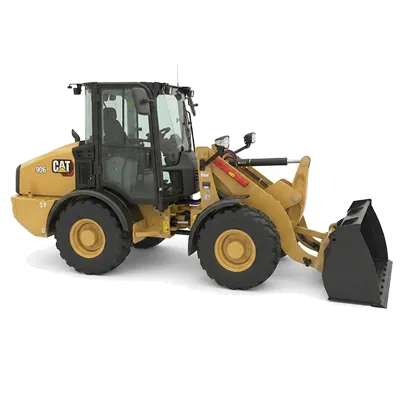
The Caterpillar 966H Wheel Loader is a robust and high-performing machine designed for heavy material handling and loading tasks in construction, mining, and quarrying operations. Powered by a Cat C11 engine, the 966H offers reliable performance and fuel efficiency, ensuring productivity on the job site while reducing operational costs. One distinctive feature of the Caterpillar 966H is its Load Sensing Hydraulics system, providing precise control over hydraulic functions for smooth and efficient material handling. The 966H also features a spacious and ergonomic cab design with excellent visibility, intuitive controls, and adjustable settings for operator comfort and productivity. Overall, the Caterpillar 966H Wheel Loader is a durable and versatile machine that excels in efficiency and performance, making it a valuable asset for various industries.
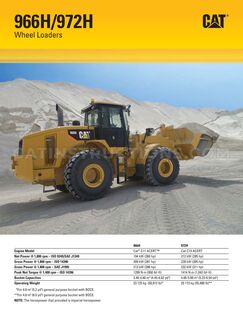
966H Problems
- Overheating: The Caterpillar 966H Wheel Loader may experience overheating issues, which can be caused by a variety of factors such as clogged radiators, malfunctioning cooling fans, or low coolant levels. To troubleshoot, check for any obstructions in the cooling system, ensure proper coolant levels, and inspect the radiator and fan for proper operation.
- Hydraulic System Problems: Common hydraulic system problems in the 966H can include leaks, slow operation, or erratic movements. To troubleshoot, inspect the hydraulic lines, fittings, and seals for leaks or damage. Additionally, check the hydraulic fluid level and quality, and scan for error codes to pinpoint the issue.
- Electrical Faults: Electrical faults in the wheel loader can lead to starting issues, lighting malfunctions, or instrument panel failures. Troubleshoot by checking the battery and alternator for proper function, inspecting the wiring for any damage or loose connections, and using diagnostic tools to scan for error codes related to the electrical system.
- Transmission Troubles: The 966H may encounter transmission problems like rough shifting, slipping gears, or transmission fluid leaks. Troubleshoot by checking the transmission fluid level and condition, inspecting the transmission components for wear or damage, and using diagnostic tools to scan for error codes specific to the transmission.