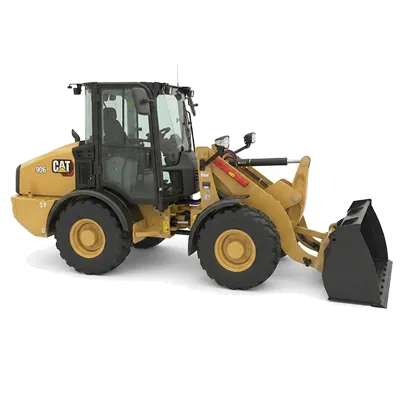
The Caterpillar 966 Wheel Loader is a powerful and versatile machine designed for heavy material handling and loading tasks in construction, mining, and quarrying operations. With a Cat C9.3 engine, the 966 offers reliable performance and fuel efficiency, ensuring productivity on the job site while minimizing operating costs. One distinctive feature of the Caterpillar 966 is its advanced Power Mode technology, allowing operators to match engine power with application needs for optimized efficiency and performance. The 966 also features a comfortable and ergonomic cab design with excellent visibility, intuitive controls, and adjustable settings, providing operators with a safe and productive work environment. Overall, the Caterpillar 966 Wheel Loader is a durable and high-performing machine that excels in versatility, making it a valuable asset for various industries.

966 Problems
- Hydraulic System Leaks: The Caterpillar 966 Wheel Loader may experience hydraulic system leaks, which can lead to decreased performance and potential damage. To troubleshoot, inspect the hydraulic hoses, fittings, and seals for leaks and damage. Replace any faulty components to prevent further leaks.
- Electrical Issues: Common electrical problems in the 966 can include faulty wiring, malfunctioning sensors, or issues with the battery or alternator. Troubleshoot by checking the electrical connections for corrosion or loose connections, testing the battery and alternator for proper function, and using diagnostic tools to scan for error codes.
- Engine Performance Problems: The wheel loader may experience engine performance issues such as lack of power, rough idling, or excessive smoke from the exhaust. To troubleshoot, check the air filters, fuel filters, and injectors for clogs or damage. Inspect the fuel quality and ensure the engine is properly tuned.
- Transmission Troubles: Transmission problems in the 966 can present as rough shifting, slipping gears, or hesitation during acceleration. Troubleshoot by checking the transmission fluid level and quality, inspecting the transmission components for wear or damage, and using diagnostic tools to scan for error codes related to the transmission.