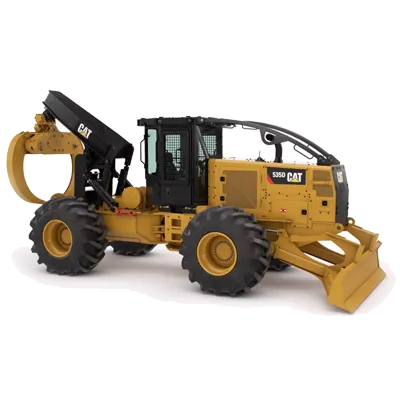
The Caterpillar 525C Skidder is a rugged and reliable machine designed for heavy-duty logging and forestry operations. Powered by a Cat C7.1 engine, the 525C offers robust performance and fuel efficiency, making it well-suited for hauling heavy logs and navigating challenging terrain. One distinctive feature of the Caterpillar 525C Skidder is its Power Shift transmission, providing smooth and efficient shifting for optimal performance in various forestry applications.
The 525C also features a durable construction, high ground clearance, and advanced hydraulics for efficient handling of logs and trees. With its powerful performance and specialized features, such as the Differential Steering system, the Caterpillar 525C Skidder is a dependable and versatile machine that excels in maneuverability and productivity in forestry settings.
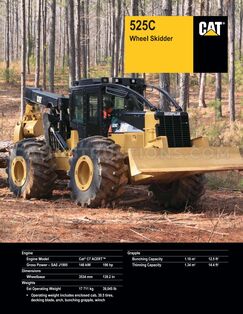
525C Problems
- Hydraulic System Leaks: The Caterpillar 525C Skidder may experience hydraulic system leaks, which can lead to decreased performance and potential damage. To troubleshoot, inspect the hydraulic hoses, fittings, and seals for leaks and damage. Replace any faulty components to prevent further leaks and maintain optimal hydraulic system function.
- Transmission Problems: Common transmission issues in the 525C Skidder can include slipping gears, rough shifting, or transmission fluid leaks. To troubleshoot, check the transmission fluid level and quality, inspect the transmission components for wear or damage, and scan for error codes using diagnostic tools to pinpoint the issue accurately for efficient resolution.
- Engine Performance Concerns: The 525C Skidder may encounter engine performance problems such as power loss, rough idling, or excessive exhaust smoke. Troubleshoot by checking the air filters, fuel filters, and injectors for clogs or damage. Ensure proper fuel quality and address any engine tuning issues promptly to enhance overall performance.
- Electrical System Faults: Electrical system faults in the 525C Skidder can lead to starting issues, lighting malfunctions, or instrument panel failures. To troubleshoot, check the battery and alternator for proper function, inspect the wiring for damage or loose connections, and use diagnostic tools to scan for error codes related to the electrical system for accurate diagnosis and effective resolution.