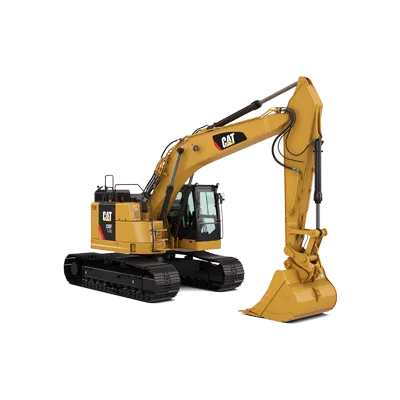
The Caterpillar 330 Excavator is a robust and versatile machine designed for heavy-duty construction and excavation projects. This excavator features a powerful engine and advanced hydraulic system, providing impressive power and precise control for efficient digging and loading operations. The 330 Excavator is known for its durability, reliability, and productivity, making it well-suited for demanding applications. Its spacious cab, ergonomic controls, and adjustable undercarriage enhance operator comfort and efficiency on the job site. With features such as auxiliary hydraulics, heavy-duty components, and advanced monitoring systems, the Caterpillar 330 Excavator is a dependable and high-performing choice for contractors seeking a reliable and efficient machine for their excavation needs.
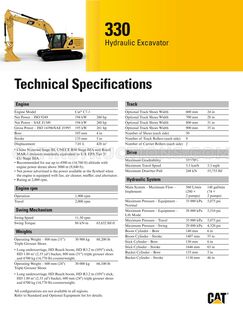
330 Problems
- Hydraulic System Leakage: One common issue with the Caterpillar 330 Excavator is hydraulic system leakage, which can lead to reduced performance and fluid loss. To address this problem, inspect hydraulic hoses, fittings, and seals for leaks, and replace any damaged components.
- Undercarriage Wear: The undercarriage components of the Caterpillar 330 Excavator, such as tracks and rollers, may experience wear over time, resulting in reduced traction and stability. Regular inspections and timely replacement of worn undercarriage parts are essential to maintain optimal performance.
- Engine Overheating: Engine overheating in the Caterpillar 330 Excavator can be caused by coolant leaks, a malfunctioning thermostat, or a dirty radiator. Inspect the cooling system for leaks, test the thermostat, and clean or replace the radiator to prevent overheating.
- Electrical System Malfunction: Electrical problems, including faulty sensors or wiring issues, may impact the operation of the Caterpillar 330 Excavator. Conduct a comprehensive inspection of the electrical system, test sensors for proper functionality, and check wiring connections for any faults.
- Error Codes: The Caterpillar 330 Excavator may display error codes to indicate specific issues with components such as the hydraulic system, engine, or electrical system. Consult the equipment manual or a qualified technician to interpret and address error codes accurately.