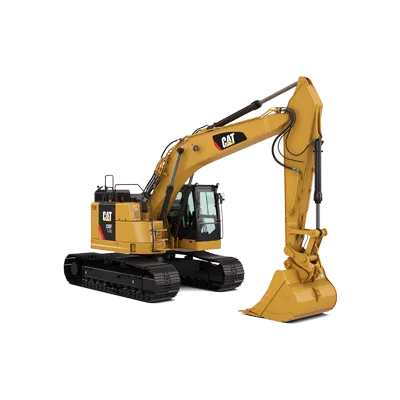
The Caterpillar 310 Excavator is a versatile and powerful machine designed for a wide range of construction and excavation tasks. This compact excavator features a compact design and high maneuverability, making it ideal for working in tight job sites and urban environments. The 310 Excavator offers impressive power and precise control, suitable for tasks ranging from digging trenches to landscaping projects. Its durable construction, high-quality components, and user-friendly controls ensure reliable operation and efficiency on the job. With advanced features such as adjustable tracks, auxiliary hydraulics, and a comfortable cab, the Caterpillar 310 Excavator is a reliable and efficient choice for contractors seeking a compact yet powerful machine for their excavation needs.
310 Problems
- Hydraulic System Leakage: One common problem with the Caterpillar 310 Excavator is hydraulic system leakage, which can lead to a loss of hydraulic fluid and decreased performance. To troubleshoot, inspect hydraulic hoses, fittings, and seals for leaks and replace any damaged components.
- Undercarriage Wear: The undercarriage components of the Caterpillar 310 Excavator, such as tracks and rollers, may experience wear over time leading to reduced traction and stability. Regular inspections and timely replacement of worn undercarriage parts are essential to maintain optimal performance.
- Engine Overheating: Engine overheating in the Caterpillar 310 Excavator can be caused by coolant leaks, a malfunctioning thermostat, or a dirty radiator. Inspect the cooling system for leaks, test the thermostat, and clean or replace the radiator to prevent overheating issues.
- Electrical System Malfunction: Electrical problems, including faulty sensors or wiring issues, may impact the operation of the Caterpillar 310 Excavator. Conduct a thorough inspection of the electrical system, test sensors for proper functionality, and check wiring connections for any faults.
- Error Codes: The Caterpillar 310 Excavator may generate error codes to indicate specific issues with components such as the hydraulic system, engine, or electrical system. Consult the equipment manual or a qualified technician to interpret and address error codes accurately.