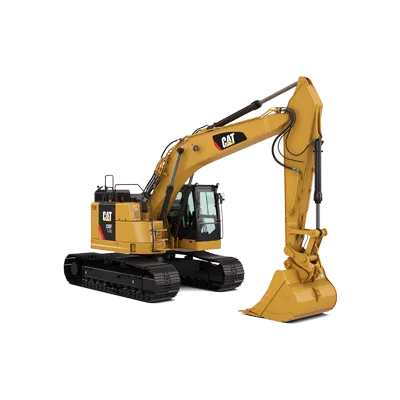
The Caterpillar 301.6 Excavator is a compact and versatile machine that excels in narrow and confined job sites. Despite its small size, this excavator delivers powerful performance and precise control, making it ideal for a wide range of construction and landscaping tasks. The 301.6 Excavator features a durable construction and high-quality components, ensuring reliable operation and long-lasting durability. Its user-friendly design includes intuitive controls, comfortable seating, and excellent visibility, enhancing operator comfort and productivity. With its compact design, powerful performance, and ease of operation, the Caterpillar 301.6 Excavator is a dependable and efficient choice for contractors and landscapers tackling various excavation projects.
301.6 Problems
- Hydraulic System Leakage: One common problem with the Caterpillar 301.6 Excavator is hydraulic system leakage, which can result in loss of hydraulic fluid and decreased performance. To troubleshoot, inspect hydraulic hoses, fittings, and seals for damage, and replace any faulty components.
- Track Tension Issues: Track tension problems may arise, causing the tracks to become loose or misaligned on the Caterpillar 301.6 Excavator. Check the track tension adjustment and adjust as needed to ensure proper track alignment and tension.
- Engine Overheating: Engine overheating can occur due to coolant leaks, a malfunctioning thermostat, or a dirty radiator in the Caterpillar 301.6 Excavator. Inspect the cooling system for leaks, test the thermostat, and clean or replace the radiator to prevent overheating.
- Electrical Problems: Electrical issues such as faulty sensors or wiring issues may impact the Caterpillar 301.6 Excavator's performance. Conduct a comprehensive inspection of the electrical system, test sensors for proper operation, and check wiring connections for any faults.
- Error Codes: The Caterpillar 301.6 Excavator may display error codes to indicate specific issues. These codes could relate to hydraulic system malfunctions, engine overheating alerts, or electrical system faults. Refer to the equipment manual or seek assistance from a qualified technician to interpret and resolve error codes accurately.