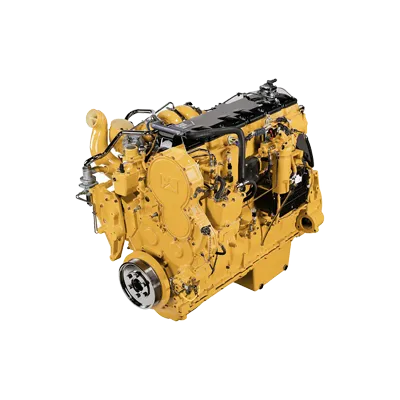
The Caterpillar C9 Engine is a high-performance diesel engine known for its reliability and durability. With a power output ranging from 250 to 575 horsepower, this engine is capable of handling a wide range of applications, from construction equipment to power generation.
One of the distinctive features of the Caterpillar C9 Engine is its ACERT technology, which enhances fuel efficiency and reduces emissions without compromising on performance. Additionally, this engine is built with robust components that are designed to withstand tough operating conditions, ensuring longevity and minimal downtime. Its compact size and ease of maintenance make it a popular choice for customers looking for a powerful and reliable engine solution.
C9 Problems
- Excessive black smoke: One common problem with Caterpillar C9 engines is the presence of excessive black smoke in the exhaust. This could be a sign of fuel system issues, such as clogged injectors or incorrect fuel injection timing. To troubleshoot this problem, inspect and clean the fuel injectors, and adjust the fuel injection timing as needed.
- Low power output: Low power output can be caused by various factors including clogged air filters, fuel filter issues, or turbocharger problems. Check and replace air and fuel filters, inspect the turbocharger for proper function, and ensure proper fuel delivery to address low power output.
- Engine overheating: Engine overheating can occur due to coolant leaks, a malfunctioning thermostat, or a failing water pump. Inspect the cooling system for leaks, test and replace the thermostat if necessary, and verify the water pump's performance to prevent engine overheating.
- Noisy operation: Noisy operation could indicate engine component wear, such as worn-out bearings or pistons. Inspect the engine components for wear and replace any damaged parts to reduce noise during engine operation.
- Error codes: Error codes in Caterpillar C9 engines can provide important diagnostic information for identifying specific issues. These codes may pertain to fuel system malfunctions, overheating warnings, or sensor failures. Consult the engine manual or a qualified technician to interpret and address error codes effectively.