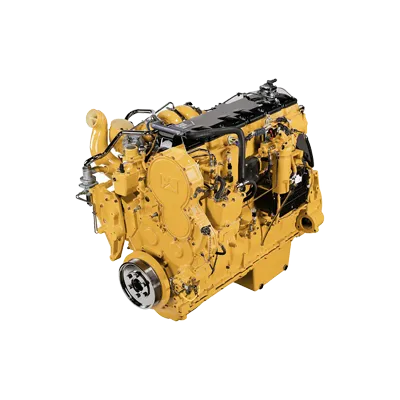
The Caterpillar 3516 engine is a high-powered and heavy-duty diesel engine renowned for its exceptional performance and reliability. Designed for demanding applications in the industrial, marine, and oil and gas sectors, the 3516 engine delivers impressive power output and torque. Its advanced technology and robust construction ensure efficient operation, reduced emissions, and extended service life. The engine's electronic control system allows for precise monitoring and optimization, maximizing fuel efficiency and performance. With its reputation for durability, versatility, and unparalleled power, the Caterpillar 3516 engine is a top choice for industries seeking a dependable and high-performing engine solution.
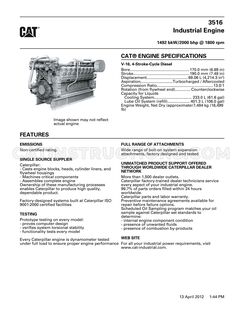
3516 Problems
- Excessive Smoke: Excessive smoke in the exhaust is a common issue with Caterpillar 3516 engines and can indicate problems with the fuel system, such as clogged injectors or incorrect injection timing. To troubleshoot, clean the fuel injectors, adjust injection timing if necessary, and inspect for other fuel system issues.
- Low Power Output: Low power output in Caterpillar 3516 engines can be caused by various factors including clogged air filters, fuel system restrictions, or a failing turbocharger. Check and replace air and fuel filters, inspect the turbocharger for proper function, and ensure adequate fuel delivery to address low power output.
- Engine Overheating: Engine overheating may occur due to coolant leaks, a faulty thermostat, or a malfunctioning water pump in Caterpillar 3516 engines. Inspect the cooling system for leaks, replace the thermostat if needed, and verify the water pump's performance to prevent engine overheating.
- Noisy Operation: Noisy operation could indicate engine component wear, such as worn-out bearings or pistons in Caterpillar 3516 engines. Inspect the engine components for wear and replace any damaged parts to reduce noise during engine operation.
- Error Codes: Caterpillar 3516 engines may generate error codes to indicate specific issues. These codes could relate to fuel system malfunctions, overheating warnings, or sensor faults. Refer to the engine manual or consult a qualified technician to interpret and address error codes accurately.