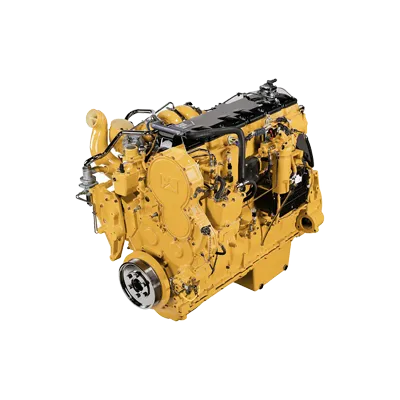
The Caterpillar 3500C Engine is a powerful and reliable diesel engine designed for heavy-duty industrial applications. With a displacement of up to 46 liters, this engine is capable of producing up to 3350 horsepower, making it suitable for a wide range of demanding tasks.
One of the distinctive features of the Caterpillar 3500C Engine is its advanced electronic control system, which optimizes fuel consumption and performance for maximum efficiency. Additionally, the engine is built with durable components that can withstand tough operating conditions, ensuring long-lasting reliability and minimal downtime. Its high torque output and low emissions make it an environmentally-friendly choice for businesses looking to reduce their carbon footprint.
3500C Problems
- Exhaust smoke: One common problem with Caterpillar 3500C engines is the presence of excessive exhaust smoke. This could be a sign of fuel system issues, worn-out piston rings, or a malfunctioning turbocharger. To troubleshoot this problem, check the fuel injection system, inspect the piston rings, and test the turbocharger for proper function.
- High fuel consumption: High fuel consumption can be a result of several factors including dirty air filters, clogged fuel injectors, or improper fuel pressure. To address this issue, clean or replace air filters, inspect and clean fuel injectors, and verify fuel system pressures for optimization.
- Oil leaks: Oil leaks are a common issue with Caterpillar 3500C engines and can be caused by faulty gaskets, seals, or worn-out engine components. Inspect the engine for visible oil leaks, identify the source of the leak, and replace the damaged gaskets or seals to prevent further oil leakage.
- Starting problems: Difficulties in starting the engine may be attributed to issues with the battery, starter motor, or fuel supply. Check the battery charge, inspect the starter motor for proper function, and ensure adequate fuel flow to troubleshoot and resolve any starting problems.
- Error codes: Error codes in Caterpillar 3500C engines can provide valuable diagnostic information for identifying specific issues. These error codes may relate to fuel system malfunctions, overheating warnings, or sensor faults. Consult the engine manual or a qualified technician to interpret and address error codes effectively.