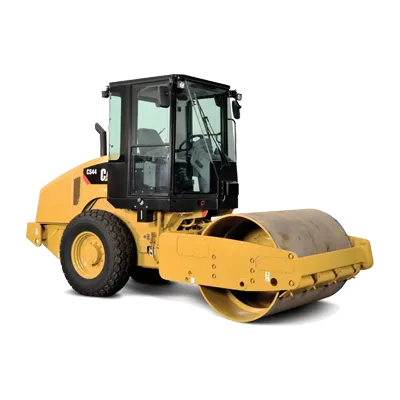
The Caterpillar CP56B Vibratory Soil Compactor is a versatile and efficient machine designed for compacting soil in construction projects. Equipped with a vibratory drum, this compactor provides powerful compaction performance, ensuring optimal soil density with each pass. The Caterpillar CP56B features a comfortable operator cabin with ergonomic controls for ease of use and improved productivity on the job site. Additionally, this soil compactor offers adjustable amplitude and frequency settings, allowing for flexible compaction options to cater to various soil types and project requirements. Known for its durability and reliability, the Caterpillar CP56B is a top choice for construction professionals seeking a high-quality and efficient soil compaction solution.
CP56B Problems
- Engine Problems: Common engine issues with the Caterpillar CP56B Compactor may include rough idling, loss of power, or difficulty starting. These problems could be caused by a dirty air filter, fuel system issues, or a malfunctioning spark plug. Check and clean the air filter, inspect the fuel system components, and examine the spark plug for wear.
- Hydraulic System Leaks: If there are hydraulic fluid leaks from the compactor, it may indicate damaged hoses, seals, or fittings in the hydraulic system. Inspect the hydraulic components for leaks, and repair or replace any damaged parts to prevent fluid loss and maintain proper operation.
- Vibration Issues: Problems with vibrations during operation could be due to an imbalance in the drum or worn vibration components. Check and balance the drum, inspect the vibration components, and replace any worn parts to resolve the issue.
- Electrical Problems: Electrical issues such as faulty wiring, blown fuses, or a malfunctioning control module can lead to operational failures. Check the wiring connections, inspect the fuses, and troubleshoot the control module to identify and resolve any electrical problems.
- Error Codes: The Caterpillar CP56B Compactor may display error codes such as E-01 (low engine oil pressure), E-02 (low coolant level), and E-03 (hydraulic system failure). Consult the error code guide in the service manual for specific troubleshooting steps related to each code.